SHRIM Microcredentialing Launched to Boost Employability of Benildeans

01 December 2025

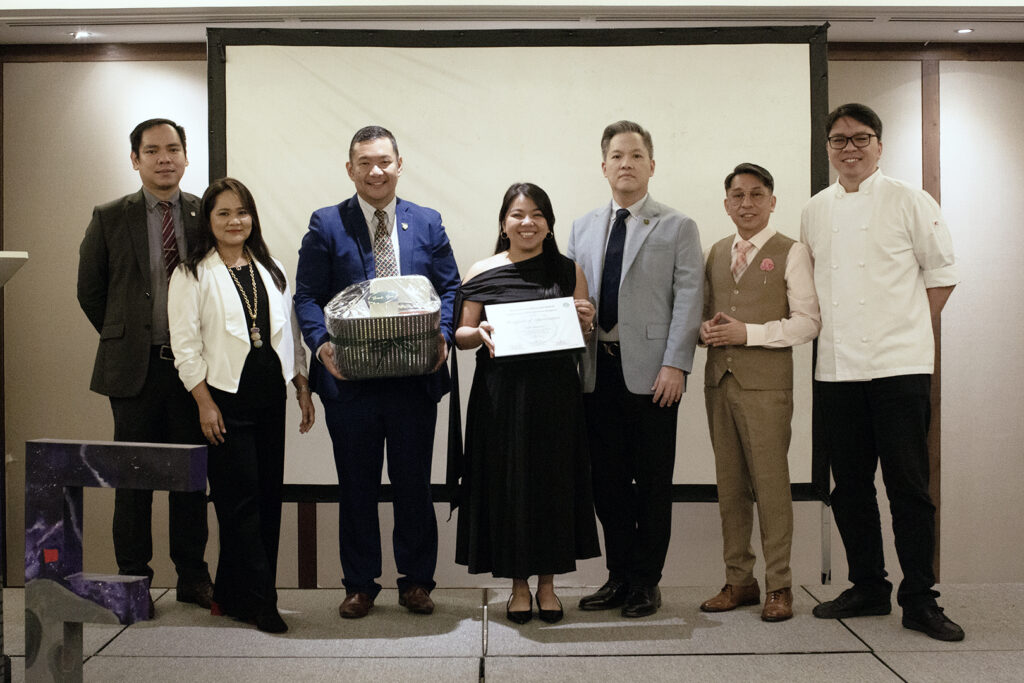
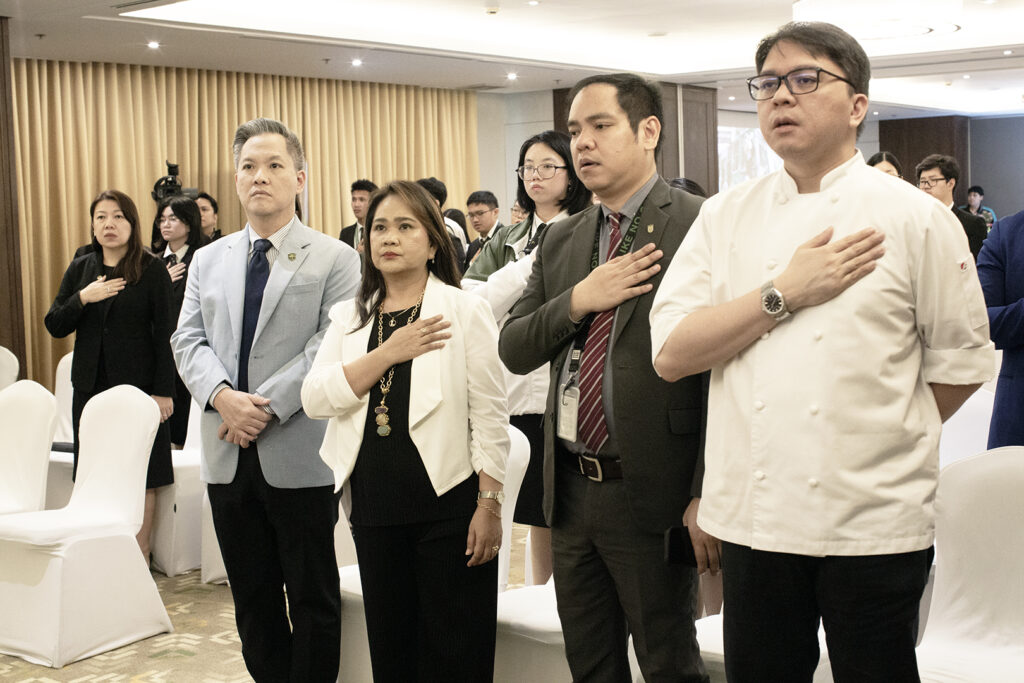
The 71st Young Hoteliers’ Exposition opened with excitement and purpose. Students, faculty, and industry partners gathered last November 21 to celebrate imagination and hospitality excellence, but the highlight was the official launch of the School of Hotel, Restaurant and Institution Management (SHRIM) microcredentialing program. This initiative is designed to give Benildeans a stronger edge in the workplace by equipping them with industry‑recognized skills and certifications across culinary, tourism, and service industries.

YHE’s Student Chairperson Yasmeen Forro welcomed everyone and reminded her peers that the theme “Keys to the Extraordinary” is about unlocking opportunities. She said the launch of microcredentials is one of the biggest milestones of the year, giving students a way to stand out in the competitive world of tourism, culinary arts, and service management. For students in Bachelor of Science in Culinary Arts Management (BS‑CAM), Bachelor of Science in Tourism Management (BSTM), and the Bachelor of Science in Hospitality and Luxury Management (BS‑HLM), microcredentials turn classroom learning into verifiable skills and flexible certifications that employers value.

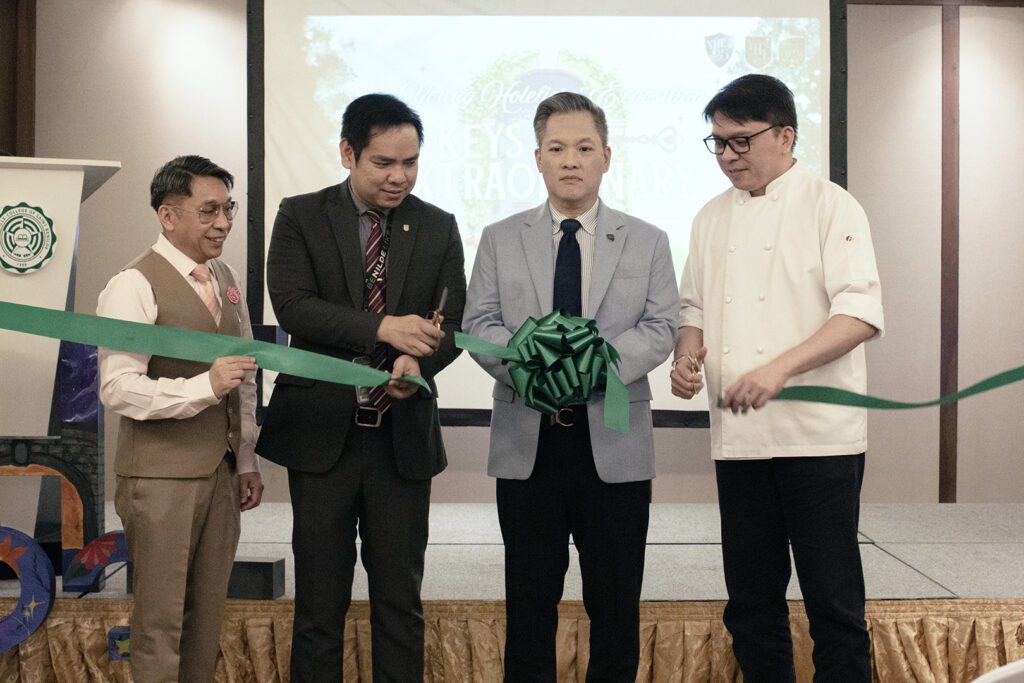
The event opened with a ribbon‑cutting led by Program Chairs Frederick Ang of Tourism Management, Chef Jester Arellano of Culinary Arts Management, Jerwin Pineda of Hospitality and Luxury Management, and Dr. Glenn Ricaforte, OIC Chair of International Hospitality Management.

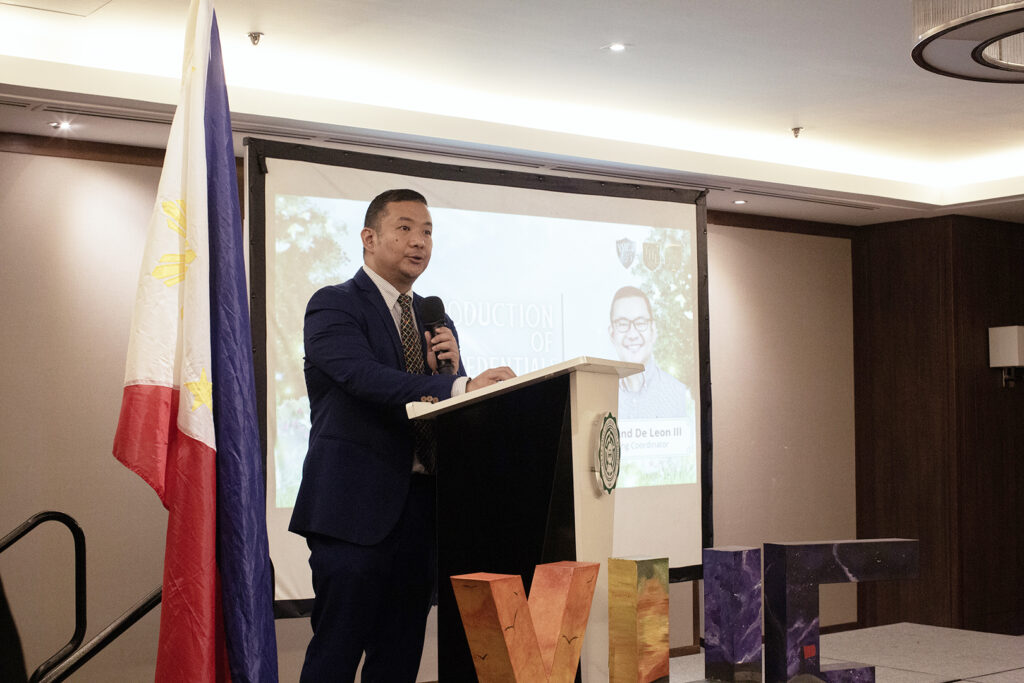
Faculty member and SHRIM Marketing Coordinator Ferdinand De Leon III explained how microcredentials work. He described them as a tailored journey that allows students to focus on specific skills aligned with industry demands. He emphasized flexibility, noting that learners can complete modules at their own pace while balancing academics and other commitments. He also stressed career advancement, saying that microcredentials showcase a student’s commitment to continuous learning and make them more attractive to employers.

From the perspective of entrepreneurship, Alvin Gutierrez introduced the Mercato Academy Founders Lab, a training program that helps foodpreneurs and students gain practical skills, mentorship, and hands-on experience. He described how the program bridges theory and practice, with day‑by‑day modules that move from entrepreneurial mindset to real‑world exposure at Mercato Centrale. Alvin emphasized that the Academy equips students with resilience, adaptive leadership, and communication skills. These are the qualities that matter in every corner of the service industry.

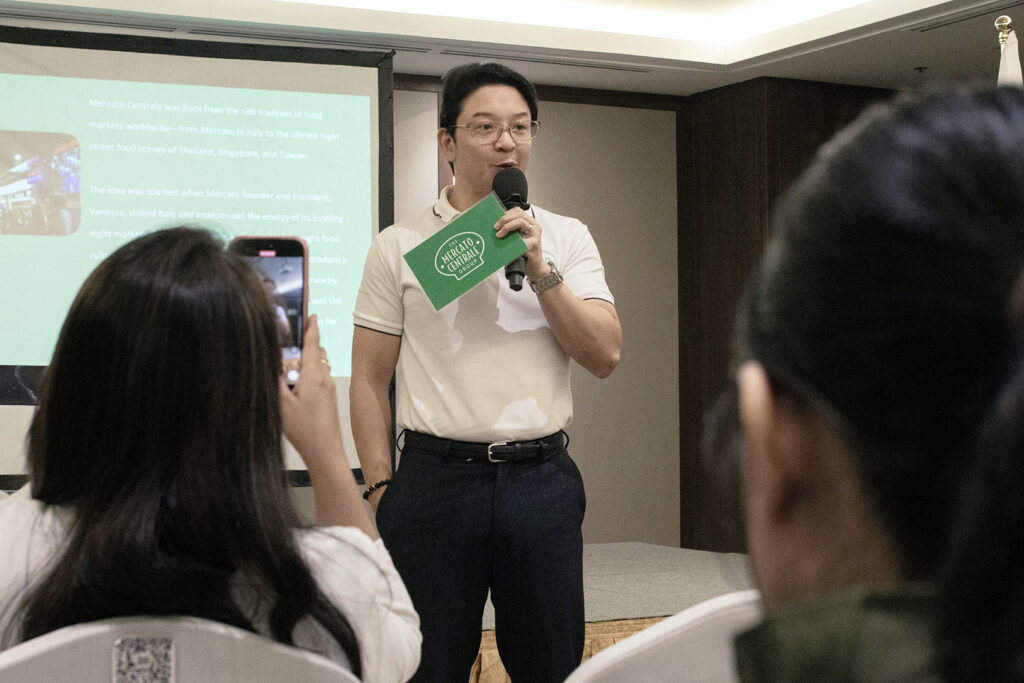
RJ Ledesma, Chairman of Mercato Centrale, expanded on this by sharing success stories of Benilde alumni who started at Mercato and went on to earn recognition in the Michelin Guide. He reminded students that entrepreneurship is about identifying pain points and turning them into opportunities, and that Mercato Centrale serves as a small food business incubator. He pointed to the ongoing partnership between Mercato Centrale and Benilde, which was formalized earlier this year to support young food entrepreneurs through training, mentorship, and exposure. He announced the upcoming “Next Big Food Entrepreneur” competition, which will give students a chance to incubate their own food concepts. For BS‑CAM students who dream of launching their own restaurants, this competition is a direct pathway to test ideas, gain mentorship, and build sustainable businesses.

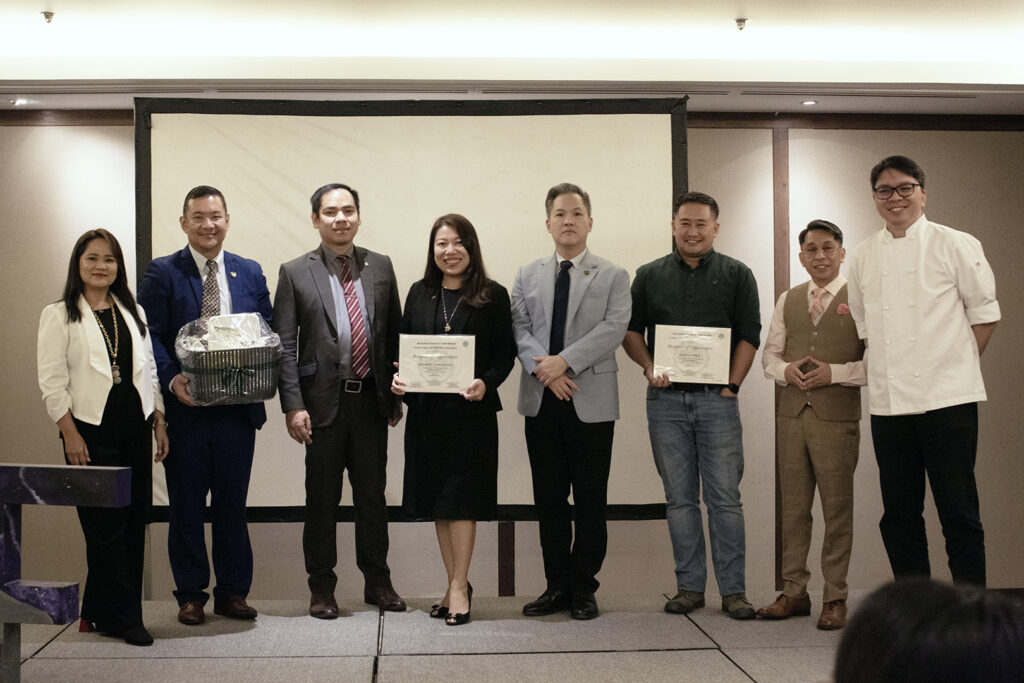
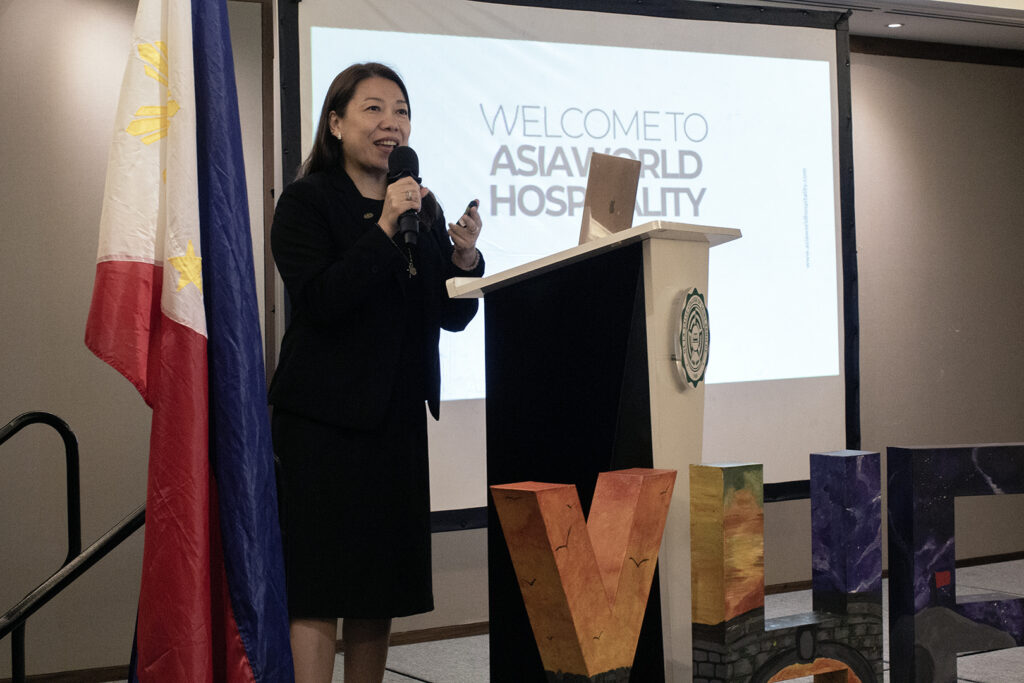
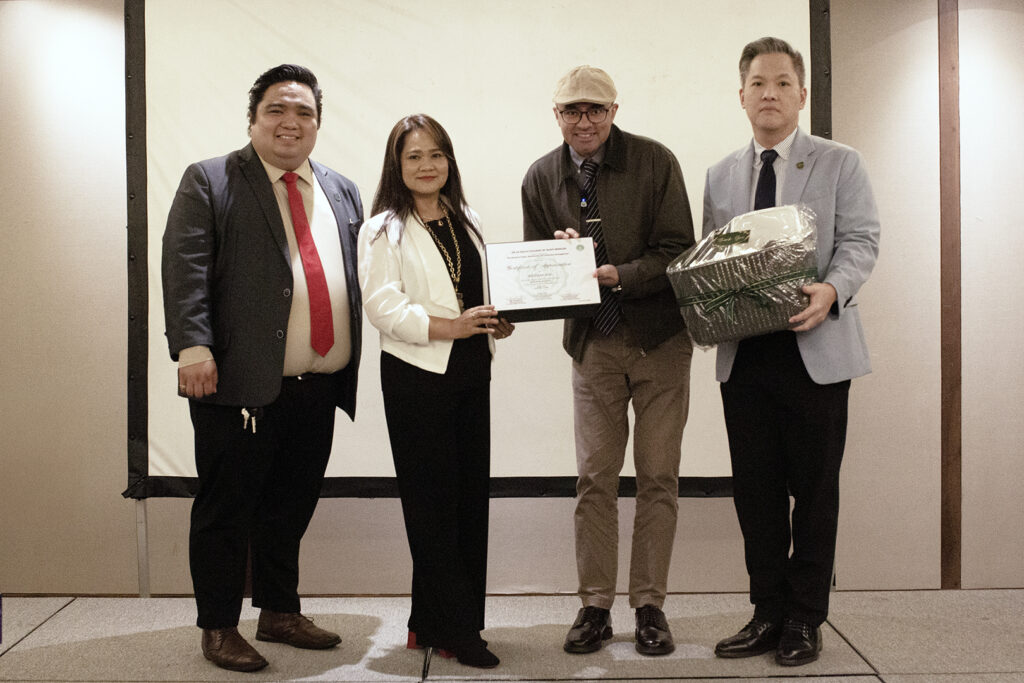
Service excellence was another cornerstone of the launch. Lisa Marie Ouano‑Sheker of AsiaWorld Hospitality highlighted how microcredentials validate both technical and human skills, from food service to empathy and emotional intelligence. She introduced the Certified Guest Service Professional (CGSP) badge from AHLEI as a gold standard credential that proves Filipino hospitality can compete globally. This builds on the earlier Memorandum of Understanding signed between Benilde SHRIM and AsiaWorld Hospitality, which expanded training opportunities and microcredentialing through AHLEI. That partnership laid the groundwork for today’s broader initiative, ensuring that students in BS‑HLM have access to globally recognized certifications that strengthen their employability. It also reinforces SHRIM’s vision of Benildeans becoming globally competent, a goal embodied by the Bachelor of Science in International Hospitality Management (BS‑IHM), which offers a double degree through Vatel in France and prepares students for international careers.

Food safety was another focus. Dr. Wessam Atif, a medical doctor and public health consultant, reminded students that food safety is the foundation of the industry, just like structural engineering is the foundation of a building. He explained that every food establishment in the Philippines is now required by law to have a Food Safety Compliance Officer, and SHRIM’s partnership with FoodSHAP provides the training needed to meet this requirement. For BS‑CAM students, this means their culinary training is matched with compliance and safety standards that protect both businesses and customers. Dr. Atif also emphasized the scale of the challenge, citing millions of food poisoning cases yearly in the Philippines, and why food safety microcredentials are essential.

Cultural leadership added a deeper dimension. Izza Arnaez of the Nayong Pilipino Foundation introduced the Makhanayan Cultural Leadership Training, which complements microcredentials by grounding careers in Filipino heritage and sustainability. She reminded students that tourism is about identity and meaning, and that cultural leadership is a competitive advantage in the global market. This connects directly to the BSTM program, which trains students to innovate tourism products, tell compelling stories about destinations, and foster sustainable relations between communities and nations. Izza explained how Makhanayan modules teach cultural sensitivity, responsibility, and eco‑consciousness, preparing students to lead tourism initiatives that are authentic and sustainable.

The launch also highlighted SHRIM’s broader strengths. As the first and only hotel school in the Philippines to earn Level IV accreditation from PAASCU and recognition as a Center of Excellence by CHED, SHRIM has long been committed to industry‑ready education. Its programs BS‑CAM, BS‑HLM, and BSTM now integrate microcredentials, ensuring that graduates are not only academically prepared but also certified in skills that employers value worldwide.

The message across all speakers was clear. Microcredentials are not just certificates. They are proof of skill, trust, and excellence. They strengthen employability, open doors to international opportunities, and elevate the reputation of Filipino professionals in culinary, tourism, and service industries. For Benildeans, they are keys to the extraordinary.

For more information on Benilde’s undergraduate programs, contact us at (63) 2 8230 5100 local 1801 or admissions@benilde.edu.ph. You may also visit our website at www.benilde.edu.ph.