We use anonymous browser storage to recognize returning visitors. No personal data is collected.
Sinulid 2026 Stages Online Exhibit for AB-FDM's 30th

2 February 2026

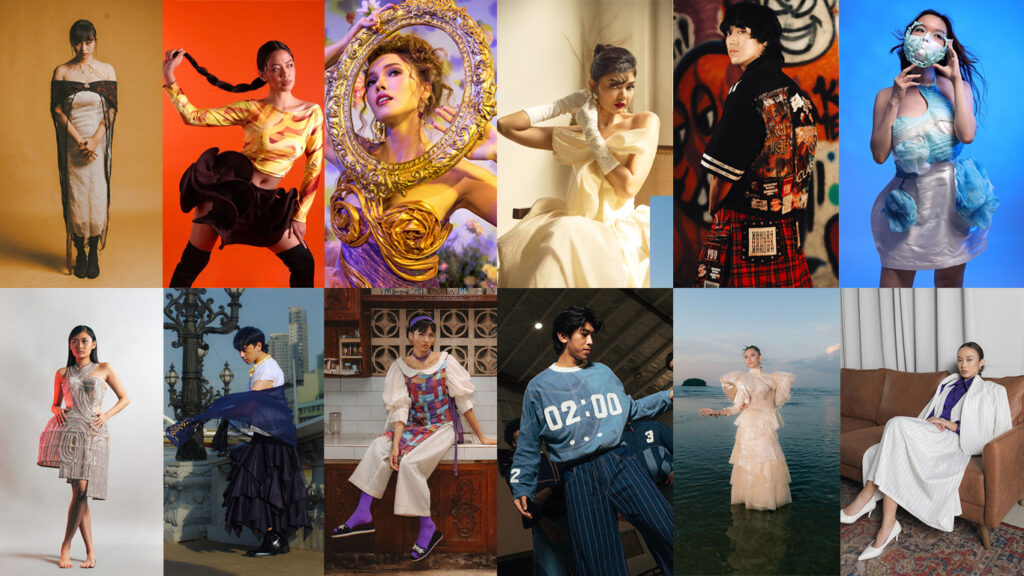
Sinulid 2026 lives online. The graduating batch of Benilde’s Fashion Design and Merchandising (AB-FDM) students built a digital showcase for their thesis collections, marking the program’s 30th anniversary and the 10th year of Sinulid. The exhibit carries the theme Awanggan, a stage for endless possibilities, and features ninety‑one designers presenting their work in one accessible space.

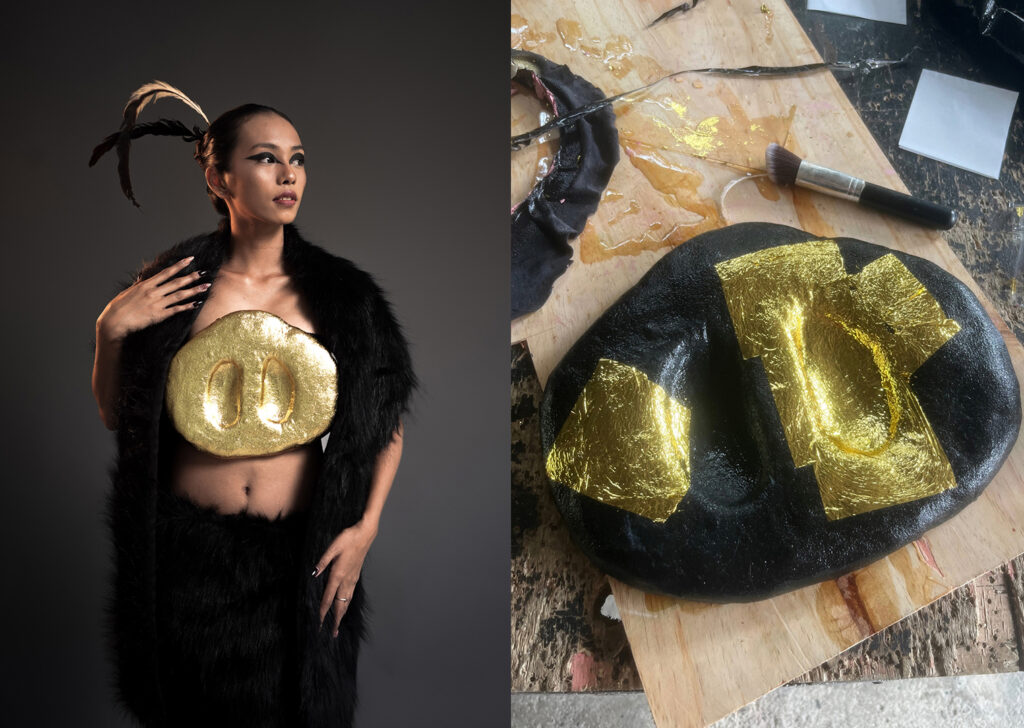
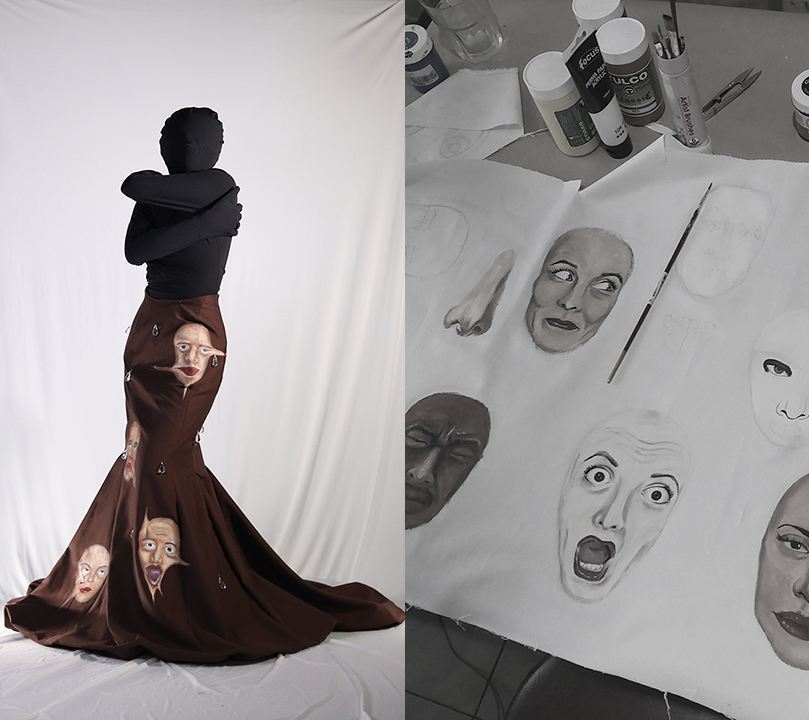
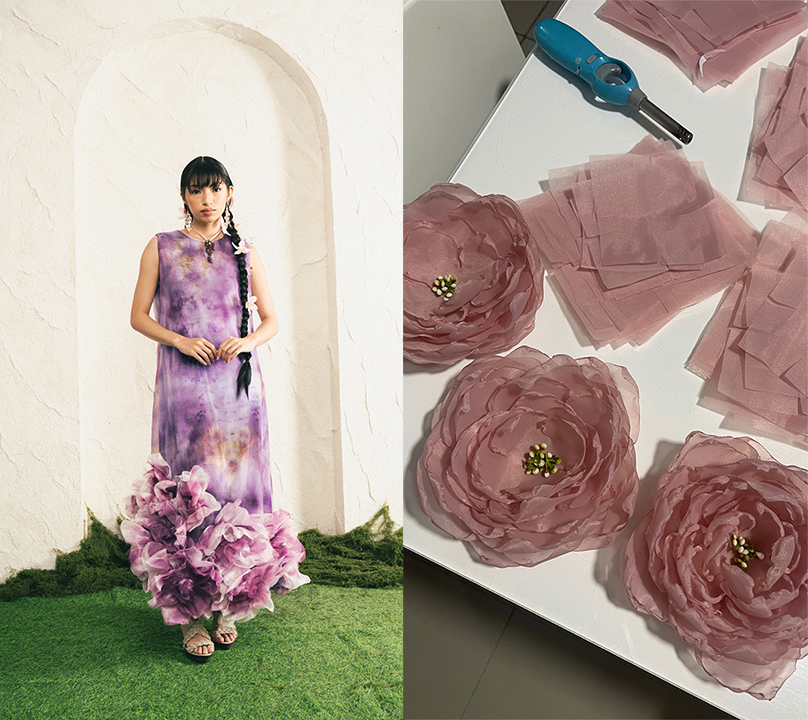
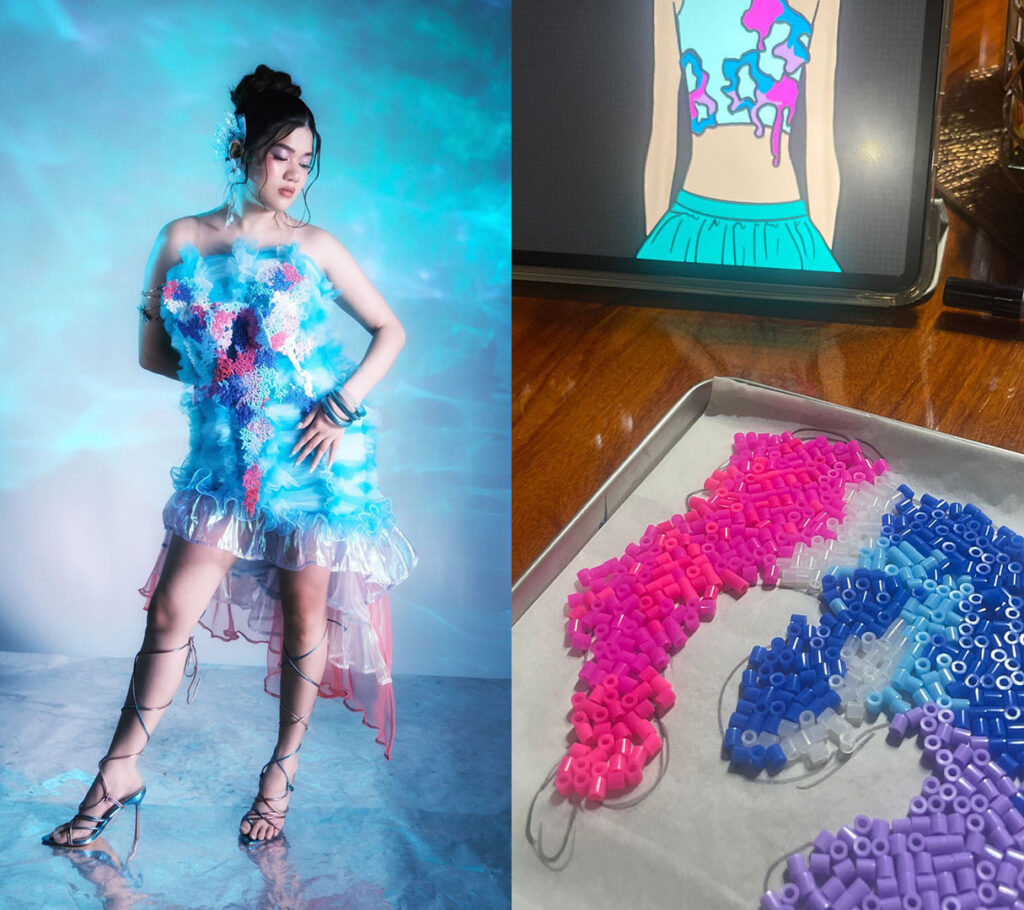
The online format was the centerpiece. Organizers said the challenge was how to make the exhibit feel personal without a physical runway. “We had to be creative in how we wanted to present the garments,” they explained. Multiple UI mockups were tested, and work‑in‑progress photos were added so viewers could connect with the designers. The result is an interactive platform that gives every collection equal visibility.

Critical thinking in fashion means turning lived experience into garments that carry emotion and story. Koji Beleran’s Ipugaoak drew from Ifugao architecture, saying, “Research on the baleh or abung highlighted structural elements such as slanted roofs, elevated forms, and wood carvings that reflect Ifugao cosmology and harmony with nature.” Lyra Ezekiel Constantino’s Ethereal Voyage came from her brother’s life at sea, where each object she studied carried its own weight of memory.

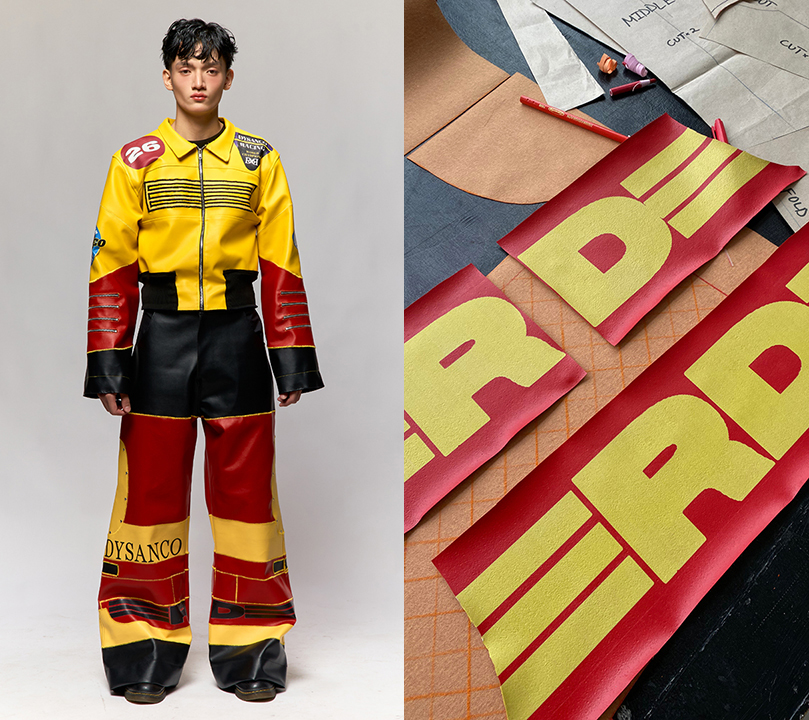
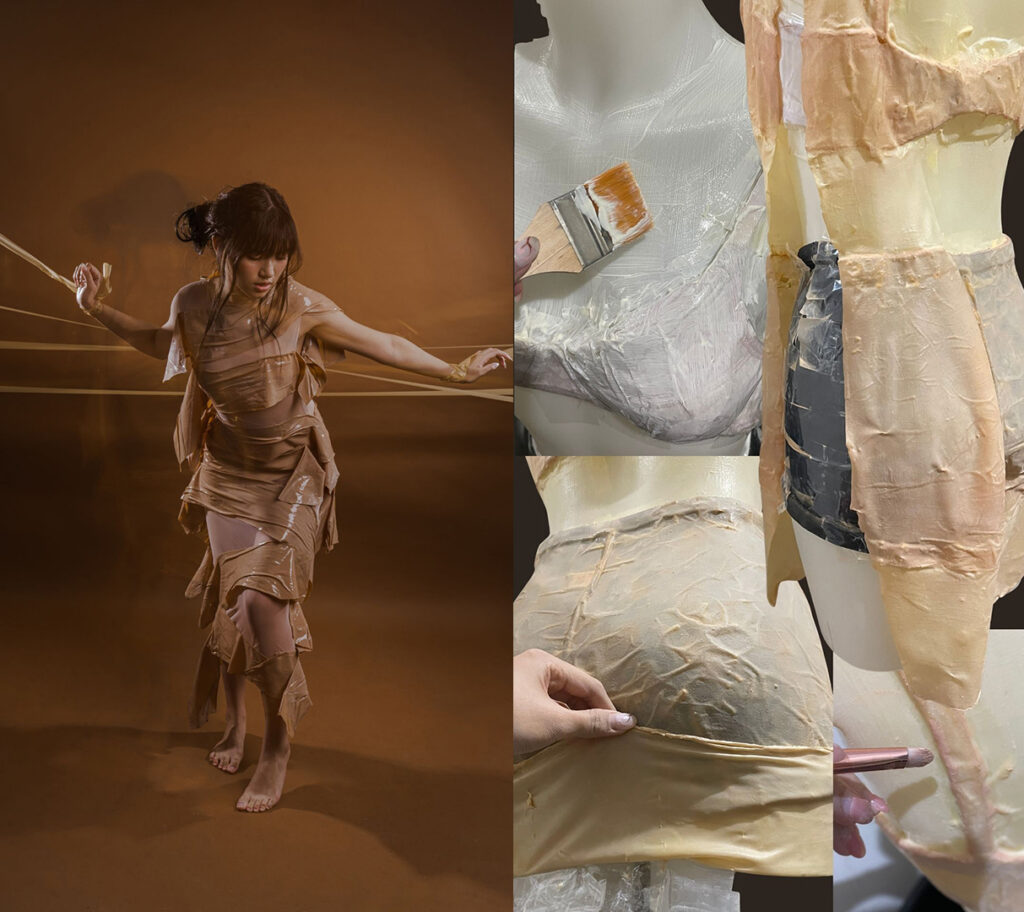
Students showed they can handle both traditional craft and modern tools. Royse Anne Caburian experimented with silicone and latex in Bound Within, learning that persistence and openness to failure were key to her process. Jennica Aquino collaborated with her family on Eyes on Me, saying, “Although techniques like beading, hand painting, and fabric manipulation take a lot of time, I love their intricacy and the depth they add to the story and concept.” Chloe Uy’s Flowing Within and Rainer Dysanco’s Race Reverie added proof that repetition, problem‑solving, and technology can deepen both structure and storytelling.

Sustainability came through in materials, community, and heritage. Maxene Talactac described her flower dyeing process in Oubaitori as honest and intimate, reminding her that growth takes time and patience. Shagami Felizco built Walang Tamad sa Quezon with a fully Quezonian team, saying, “The experience was made more meaningful by collaborating with sewists, beaders, creatives, and models from my province.” Alessandra Camarao’s Balek added another voice, turning memories of her grandmother’s garden into garments that honor family and discipline.

Innovation and lifelong learning shaped many collections. Emerson Gloria explained that curating Sirena allowed him to freely explore silhouettes and fabrics while reconnecting with nostalgia from childhood sketches. Alaire Pelicia reflected on Ginu Ku, saying, “Feedback and experimentation pushed me to embrace imperfection, allowing the collection to feel more human and honest rather than idealized.” Dysanco’s Race Reverie showed how trial and error led him to new methods of joining leather panels and controlling silhouette.

The organizers themselves faced challenges in mounting a digital‑first showcase. “The biggest challenge was planning out how we would want to present it digitally,” they explained. Without the intimacy of a physical exhibit, they had to be creative, building multiple UI mockups and including work‑in‑progress photos to make the exhibit interactive. Responsibilities were divided among committees, with students nominating heads and choosing roles in tech, curation, and promotion. Regular meetings kept everyone aligned. To make the exhibit cohesive, they created a unified format while still allowing each designer’s brand to shine. They also emphasized transparency and communication, saying, “It is important to keep everyone in on the loop, and to communicate your needs and wants. Everything else will follow.

Audience engagement was at the heart of the project. The online exhibit was designed as a central hub where visitors could explore the collections, learn about each designer, and see process photos that brought their work to life. By keeping the layout simple and accessible, the organizers made sure the experience felt inviting rather than overwhelming. They hope this digital showcase encourages future student‑led events to be just as creative and unconventional.

A special show at the PNB Financial Center Banking Hall last January 31 gave audiences a live preview of the collections before they moved fully into the digital space. Sinulid 2026 also follow thorough on the legacy of last year’s showcase with students staged four acts that explored identity, inclusivity, and imagination. This year, the three acts of Takipsilim, Hating Gabi, and Bukang Liwayway carry forward that tradition of storytelling, while the online exhibit expands the reach of the showcase. By moving Sinulid online, the graduating batch proved that fashion can be both personal and shared. The showcase celebrates 30 years of the program while opening new possibilities for how design can reach audiences.

Explore all eighty-one collections and discover the stories behind each designer by visiting the Sinulid 2026 online exhibit at benilde.edu.ph/sinulid.

For more information on Benilde’s undergraduate programs, contact us at (63) 2 8230 5100 local 1801 or admissions@benilde.edu.ph. You may also visit our website at www.benilde.edu.ph.