24 April 2026
Eight visitors from Japan spent two days in Manila learning a new language, sitting in on classes, and stepping into workplaces where Deaf professionals do their jobs every day. The visit was the first major output of the Memorandum of Understanding signed in 2025 between NTUT and Benilde. That agreement created a framework for exchanges, joint research, and immersive learning, starting with Deaf education and expanding into other fields.
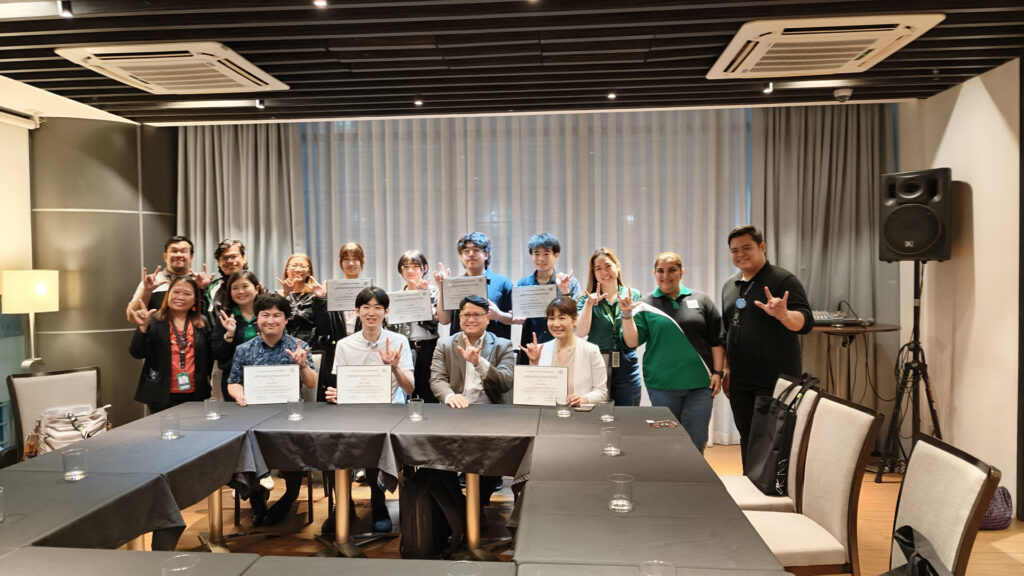
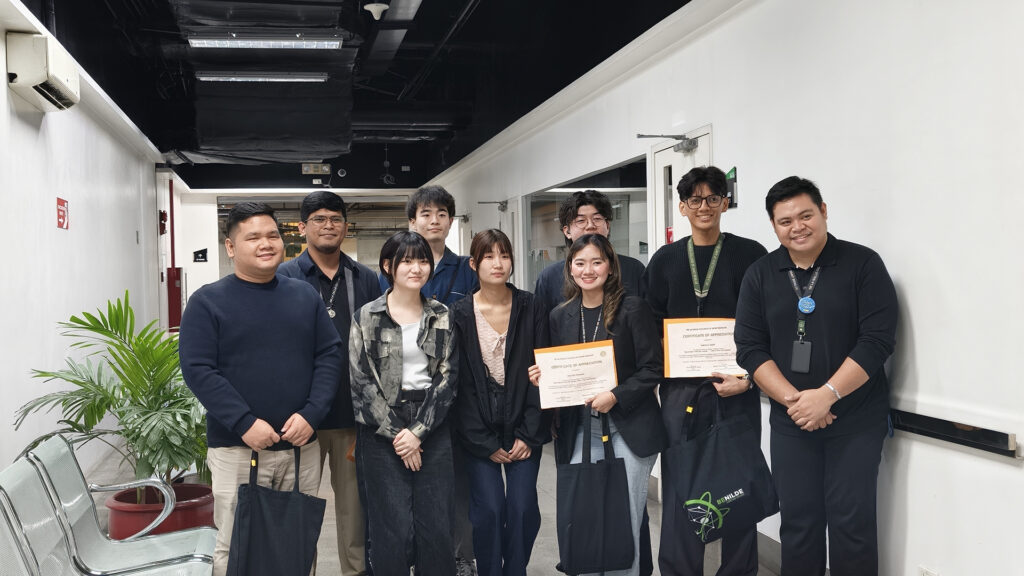
The group came from National University Corporation Tsukuba University of Technology for a short course titled “Beyond Barriers: FSL, Culture, and the Filipino Deaf Experience,” held on February 12 and 13 at De La Salle-College of Saint Benilde. The program was built as a full immersion. Four students and four faculty members joined lectures, workshops, campus visits, and industry tours that showed how Deaf education and employment connect in the Philippines.
Benilde has hosted international students before through its global exchange programs, where visitors get a closer look at Filipino life and culture. This program took that a step further by placing Deaf education and community experience at the center of the visit.
The first day opened at the School of Deaf Education and Applied Studies. After a short orientation, the group sat in on a session about Deaf education and employment in the country. Members of the faculty walked through how students move from school into the workforce, and how policies shape access along the way. The discussion included the role of the Filipino Sign Language Act in making Filipino Sign Language part of daily life in classrooms, media, and public services.
The group then moved around campus. They visited classrooms, support units, and the Wellbeing Center. The setup showed how students get support beyond lectures, from academic help to career preparation.
In the afternoon, the group joined a Filipino Sign Language session led by Deaf mentors. They learned basic signs and started using them right away. Conversations shifted from spoken words to hand movements and facial expressions. The room became more focused, and everyone had to meet each other halfway to communicate.
That experience connects to how Benilde builds its programs. The Benilde Deaf School introduces Deaf students to a bilingual and bicultural learning environment early on. At the college level, the Bachelor in Applied Deaf Studies prepares students for work in fields like business, media, and entrepreneurship. The Bachelor in Sign Language Interpretation trains interpreters who support communication in schools, offices, and public spaces.
Around these programs is a wider network. Benilde works with institutions like Philippine Normal University to open paths for Deaf students who want to become licensed teachers. The College also works with the Department of Education to support Deaf learners earlier in their education. These partnerships connect different stages of learning, from basic education to professional life.
The second day focused on how all of this comes together. Faculty walked the group through Benilde’s education model, support services, and community work. They explained how students move through school with support systems in place and how those systems stay connected after graduation.
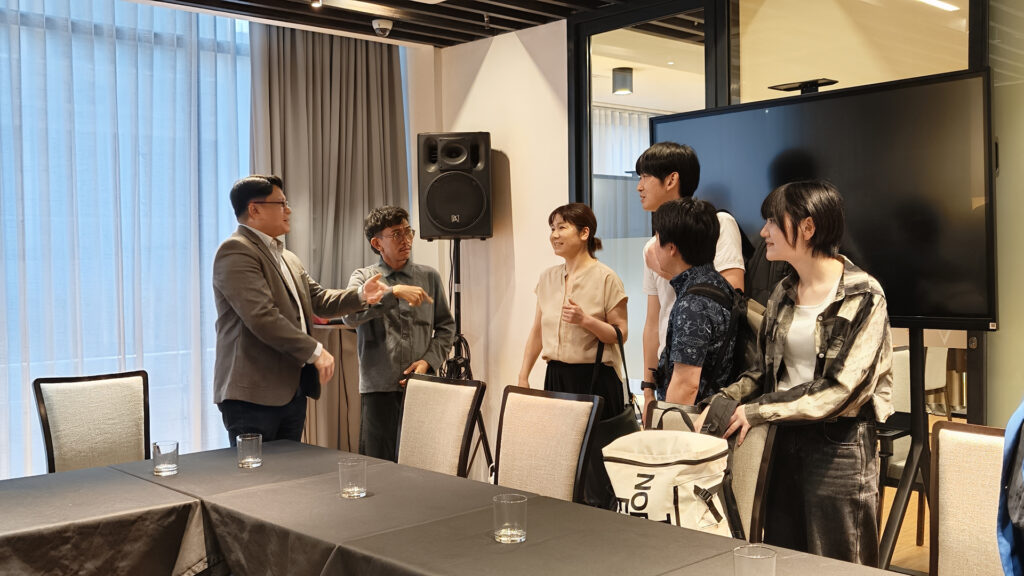
Later that morning, the NTUT group sat down with Deaf student leaders and alumni. The conversation moved quickly into real experiences. Students talked about adjusting to college and finding support. Alumni shared how they built their careers after graduating. Both sides asked questions and compared what life is like in Japan and the Philippines.
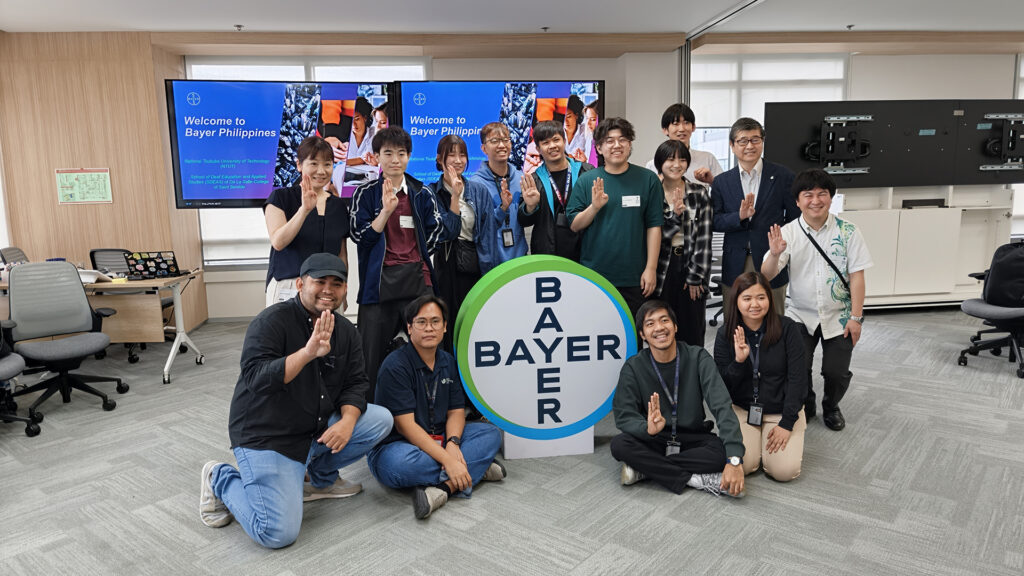
In the afternoon, the group headed out for industry visits. They spent time at companies such as Bayer, Accenture and Willis Towers Watson. Teams showed how Deaf employees are hired, trained, and supported at work. The group saw how communication happens on the job and how teams adjust without slowing down operations.
By the end of the two days, the visitors had moved through classrooms, conversations, and workplaces. They picked up Filipino Sign Language, met people inside the Deaf community, and saw how education connects to employment in practice. The visit showed Benilde’s role as a hub: building programs, shaping policy, and opening doors with employers so Deaf students can move through school and into meaningful work. It also showed how this approach can grow through global collaboration, with more opportunities for shared learning in the years ahead.
For more information on Benilde Global, the College’s internationalization program, contact the Center for External Linkages at (63) 2 8230 5100 local 1515 or global@benilde.edu.ph. You may also visit www.benilde.edu.ph/global.