We use anonymous browser storage to recognize returning visitors.
No personal data is collected.
27 April 2026
A group of students from Ritsumeikan University spent a week in March moving through Manila and Zambales, working through a short course on disability studies built by De La Salle-College of Saint Benilde. The program followed a clear academic path. Each day focused on a set of competencies, from cultural analysis to communication, accessibility assessment, and applied project work.
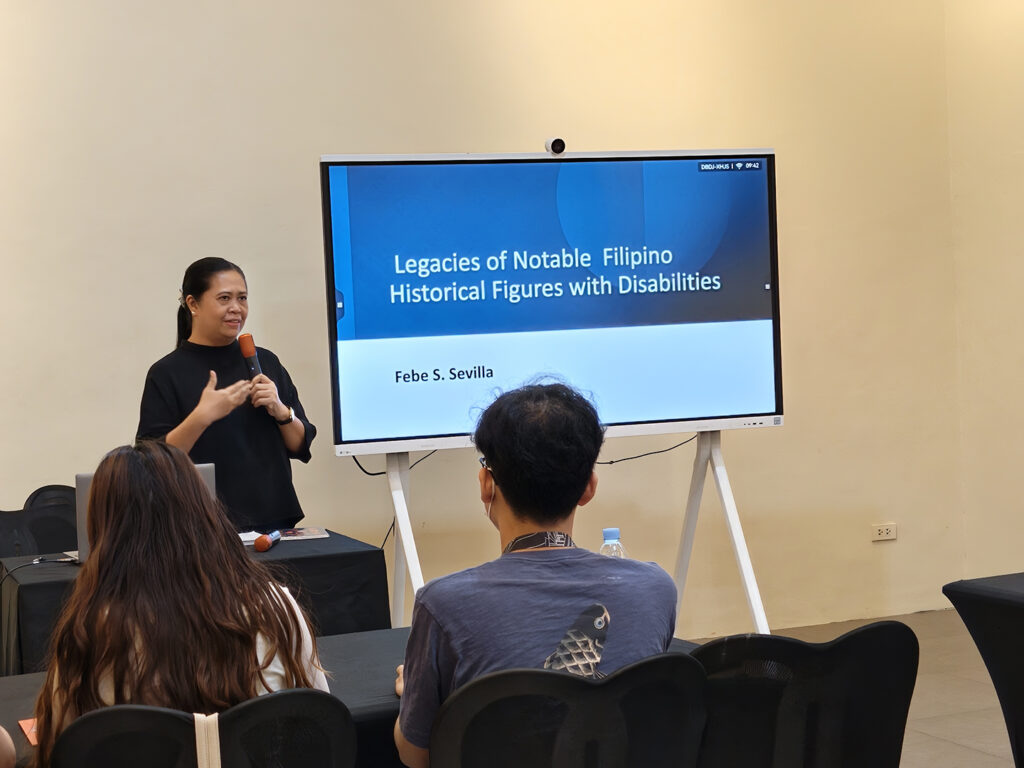
The week opened with a session on disability in the Philippine context, led by a local advocate. Students started with lived experiences and everyday realities before stepping into the city. In Intramuros, Deaf tour guides led them through Fort Santiago and nearby sites, connecting historical figures with disabilities to present-day attitudes. Faculty framed the visit as part of a larger question the group carried all week: how culture shapes the way people understand and respond to disability.
At the School of Deaf Education and Applied Studies, the work shifted into communication and language. Students learned basic Filipino Sign Language from Deaf mentors and used it in guided interactions right away. Faculty and partner organizations sat in on these sessions, helping students navigate conversations around education, employment, and access to services. The setup pushed them to adjust in real time, not just observe.
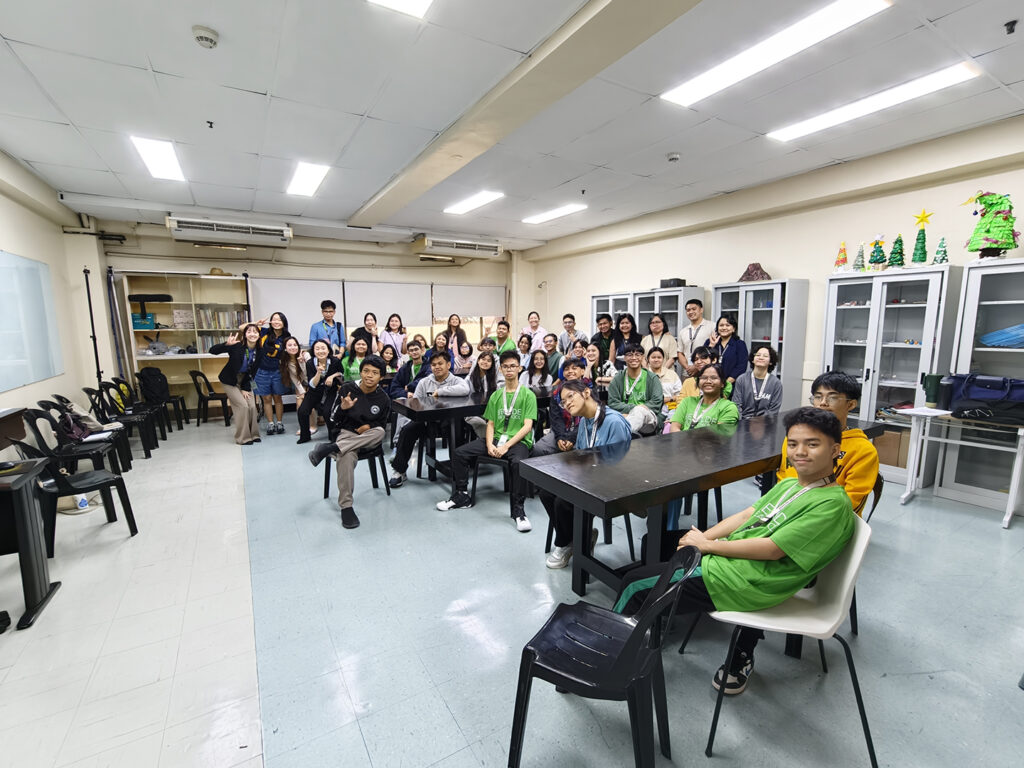
Classroom visits added another layer. At the Benilde Deaf School and the Philippine School for the Deaf and the Blind, students observed how lessons are structured, how support services are built into the day, and how different learning needs are addressed. Faculty guided these visits as part of an accessibility assessment. Students compared what they saw across institutions and discussed how these models could apply in their own contexts.
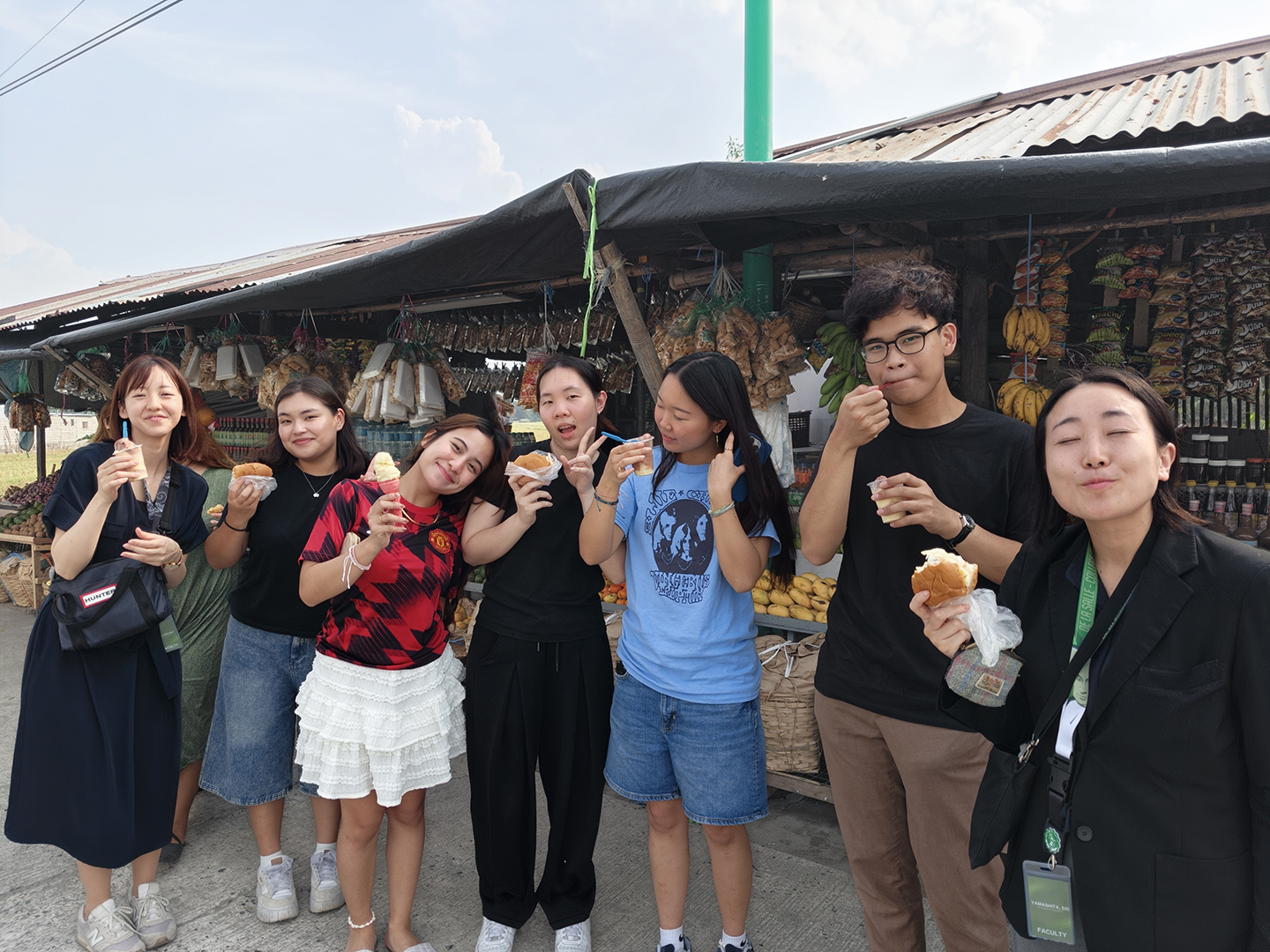
Industry visits followed the same structure. Before heading out, the group went through sessions on economic participation and workplace inclusion. In BPO offices, hospitality spaces, and social enterprises, they then looked at how those ideas show up in practice. They examined hiring systems, workplace adjustments, and support structures that help employees stay and grow. In smaller enterprises, they spoke with teams running adaptive production lines and inclusive cafés, breaking down how accessibility is built into operations from the start.
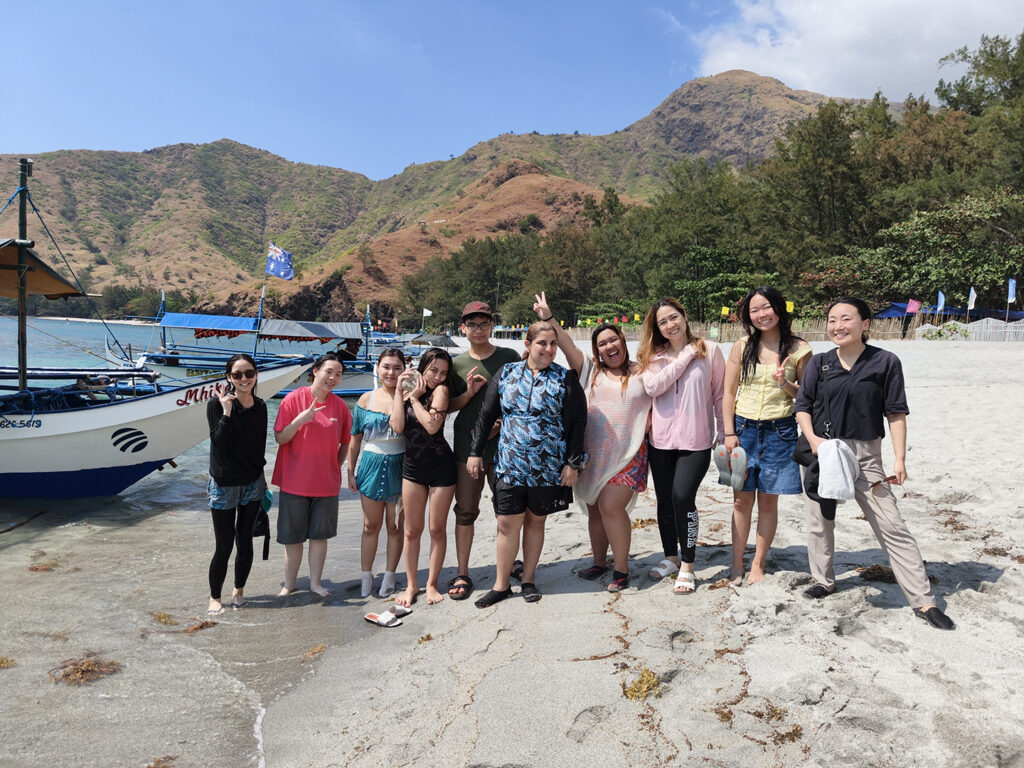
By the time the group left Manila for Zambales, they had already moved through culture, communication, education, and work. The final leg of the program gave them time to pull everything together. Faculty guided group work sessions where students developed proposals for inclusive practices and community programs. These projects drew directly from their field observations, conversations, and earlier sessions.
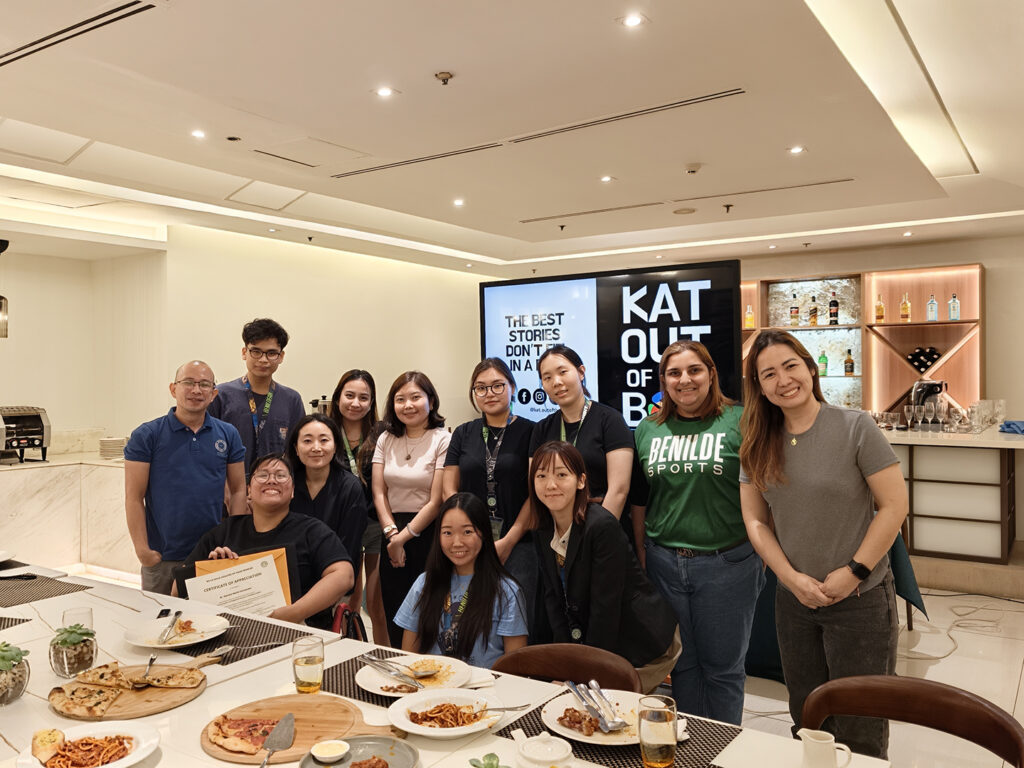
On the last day, each group presented their work and took part in a synthesis session led by the program team. The discussion tied their experiences back to the course outcomes. Students had to show how they understood cultural context, how they approached cross-cultural communication, and how they evaluated accessibility across different settings.
This structure is what defines Benilde Global. Programs are built as short courses with clear learning outcomes, faculty guidance, and field-based work that connects directly to communities and industries. Students move through a sequence. They start with context, test ideas in real settings, and end with outputs they can carry into their own work.
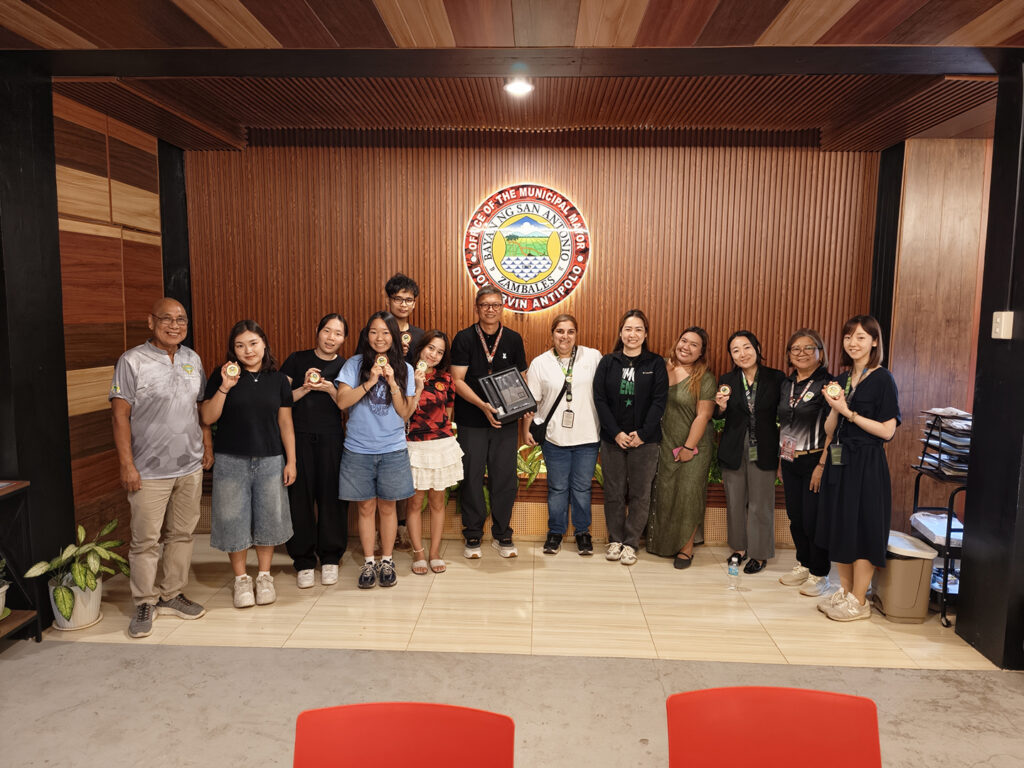
Benilde has been running exchange programs that bring international students into Filipino communities and institutions, with a focus on lived experience and shared learning. In earlier visits, students spent time inside classrooms, workplaces, and community spaces, often leaving with a different understanding of inclusion and daily life in the Philippines. This disability studies immersion builds on that model and pushes it further by centering Deaf education, accessibility, and inclusive practice across sectors.
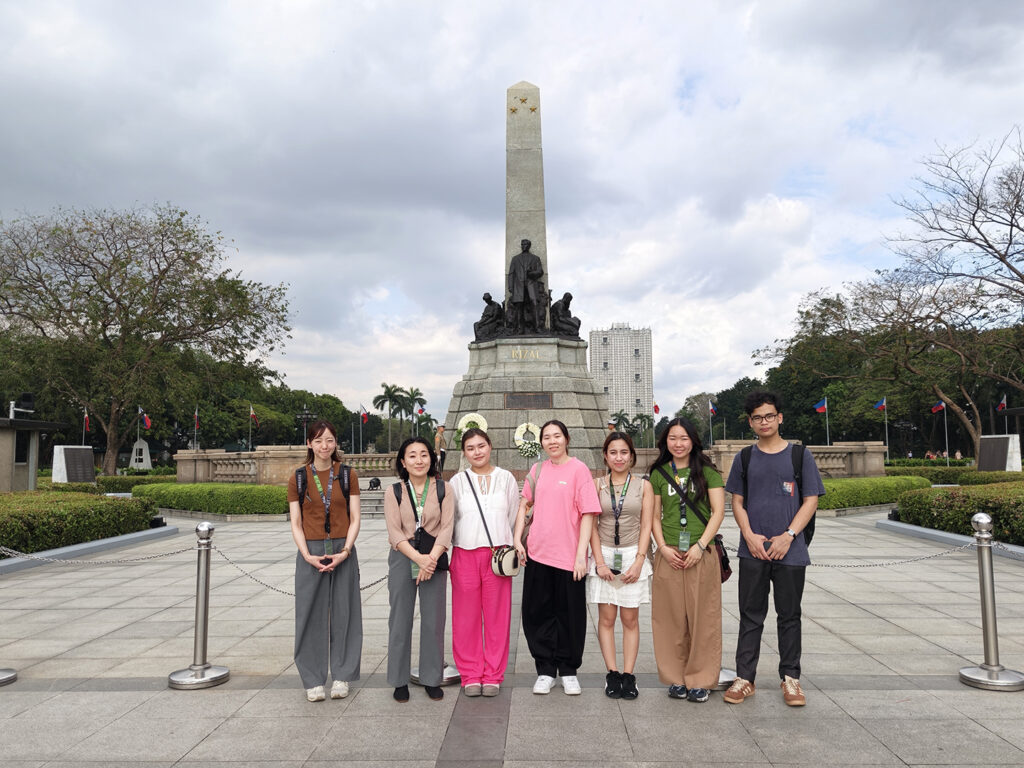
For partner institutions, the value is direct. Students don’t just attend sessions. They work through a structured course, engage with faculty and practitioners, and produce outputs grounded in real environments. For Benilde, the role is just as clear. The College designs the course, leads the academic work, and connects students to a network that spans education, industry, and community organizations.
For more information on Benilde Global, the College’s internationalization program, contact the Center for External Linkages at (63) 2 8230 5100 local 1515 or global@benilde.edu.ph. You may also visit www.benilde.edu.ph/global.