
We use anonymous browser storage to recognize returning visitors. No personal data is collected.
26 May 2026
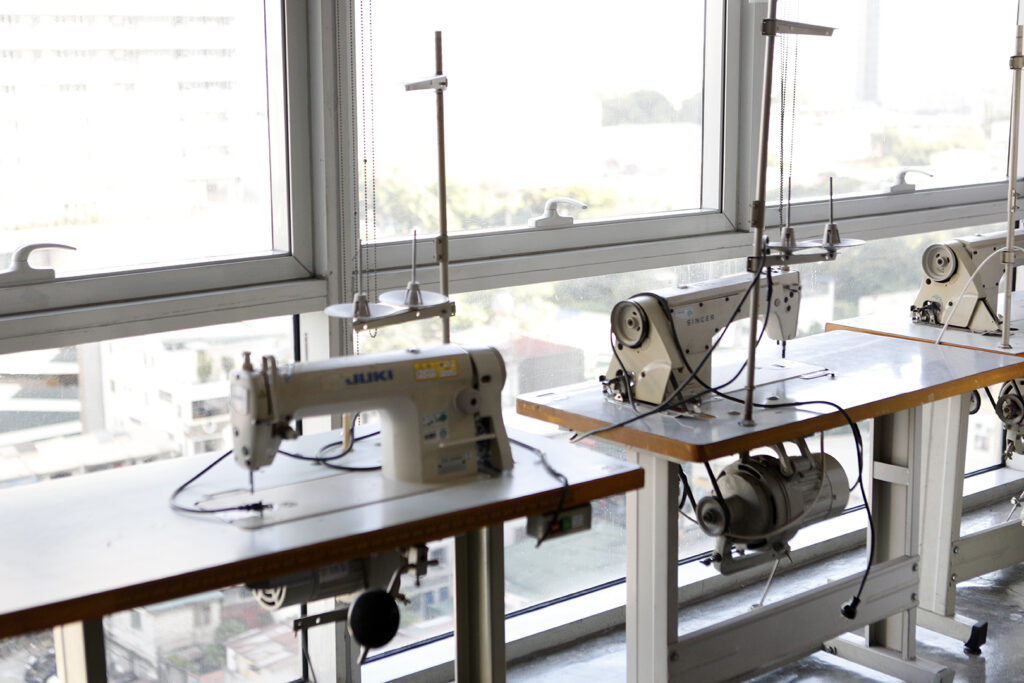
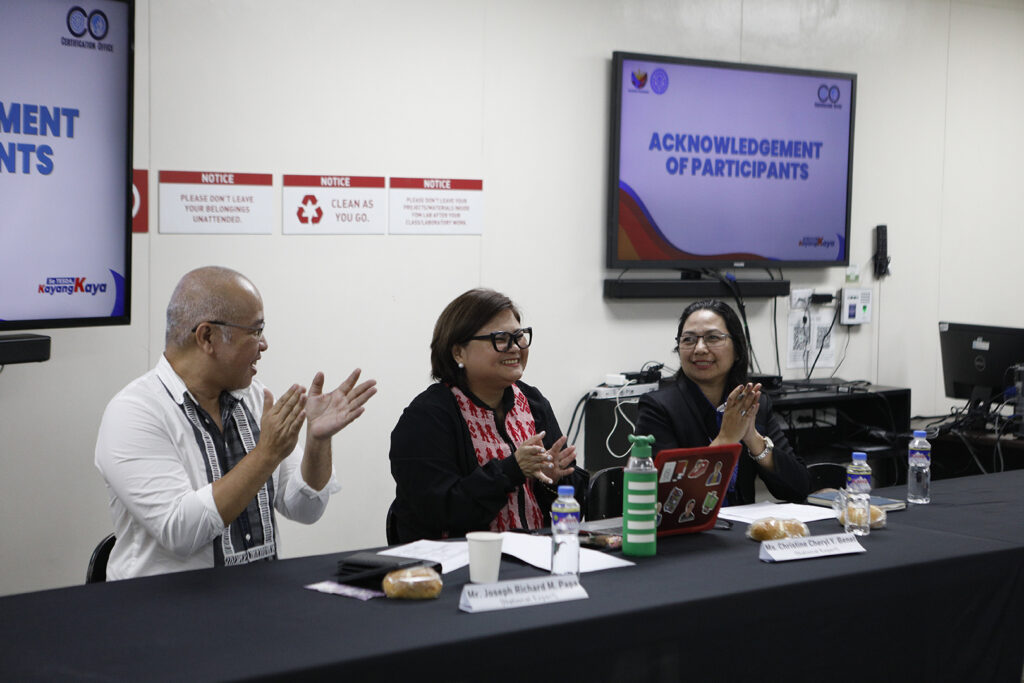
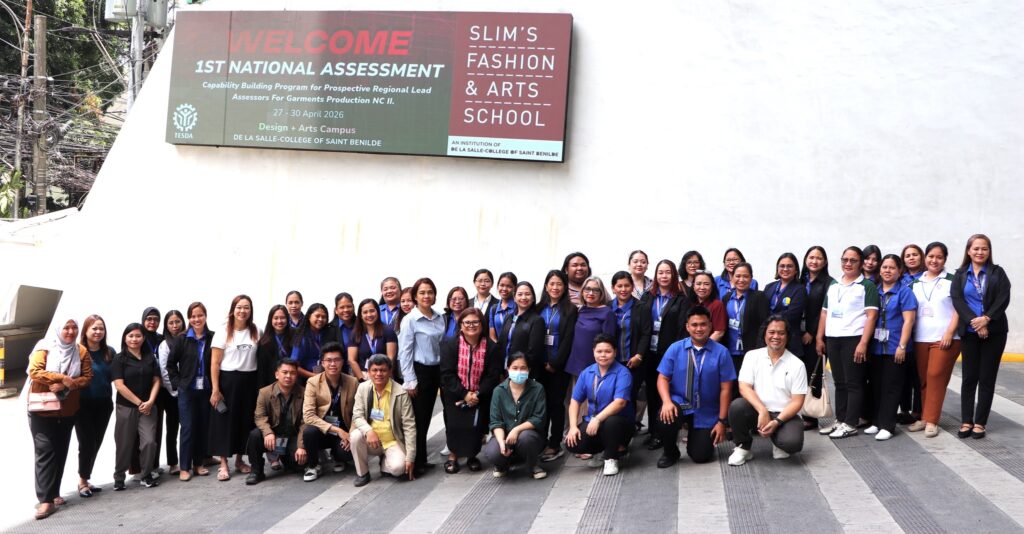
From April 27 to 30, 2026, Slim’s Fashion and Arts School hosted TESDA’s Capability Building Program for Prospective Regional Assessors for Garments Production NC II at the Benilde Design + Arts Campus. Trainers and technical experts from different regions came together to prepare for their role as assessors. Once certified, they will be the ones who evaluate future candidates for the NC II credential.
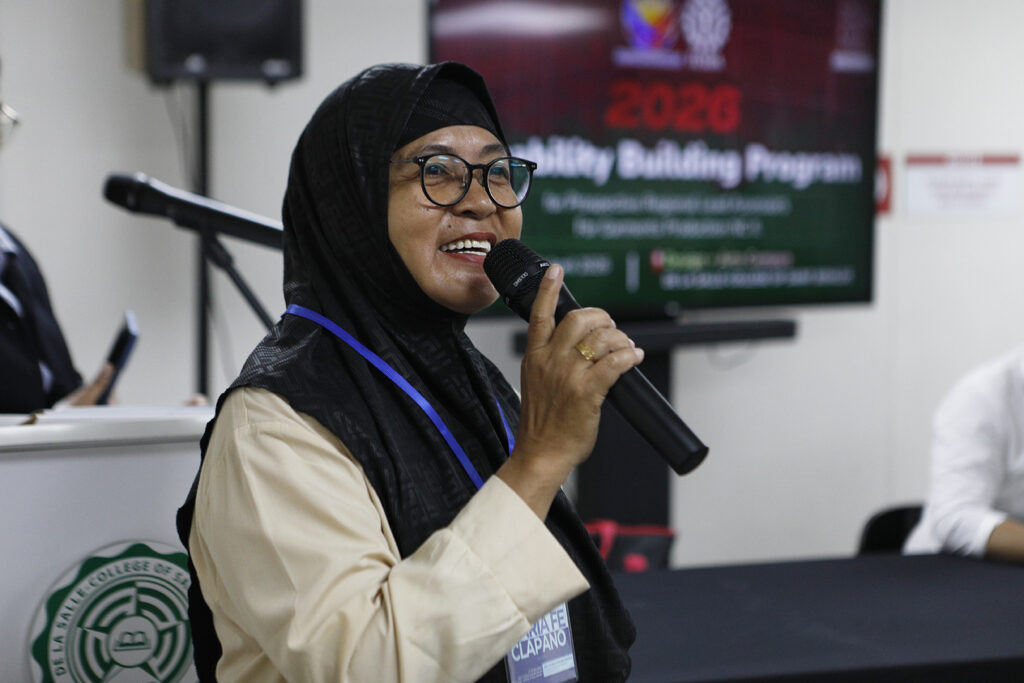
Garments Production NC II is part of TESDA’s national qualifications framework. It certifies that a worker can draft patterns, cut fabric, sew garments, and finish apparel with professional skill. For workers, the certificate is proof that they are job‑ready. For industries, it ensures that the workforce meets consistent standards. For assessors, certification means they can apply those standards fairly across Luzon, Visayas, and Mindanao.
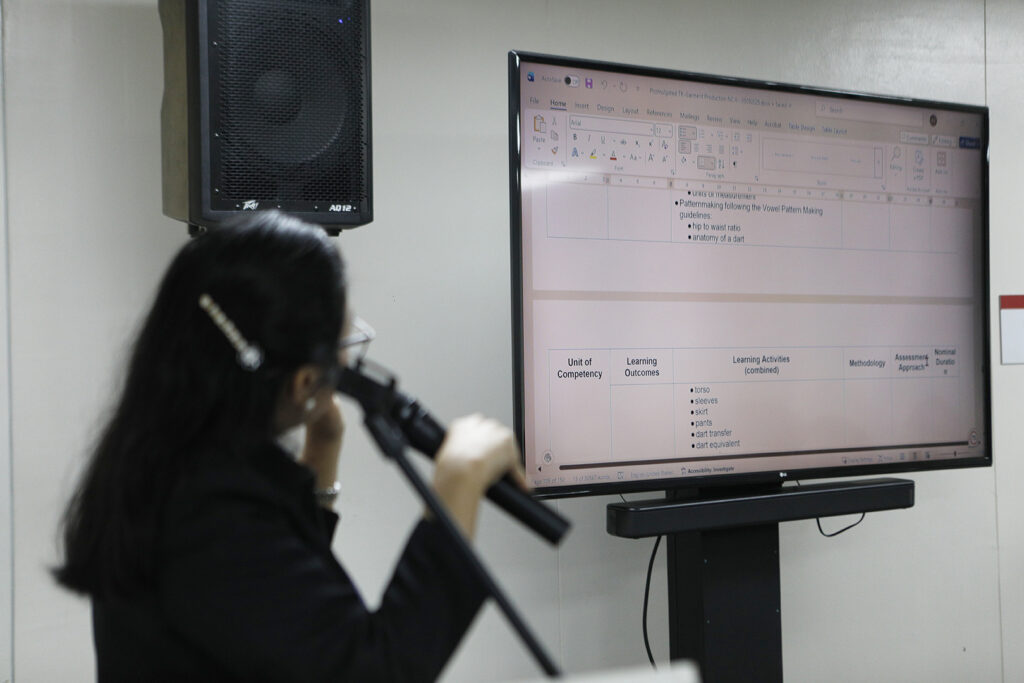
Slim’s has offered Dressmaking NC II for many years under TESDA accreditation. This direct involvement in garments training made Slim’s the natural host for the assessor program. Holding the training at Benilde extended Slim’s legacy into the College’s framework, linking vocational expertise with higher education innovation. It showed how Slim’s heritage in fashion education now lives within Benilde’s broader mission.
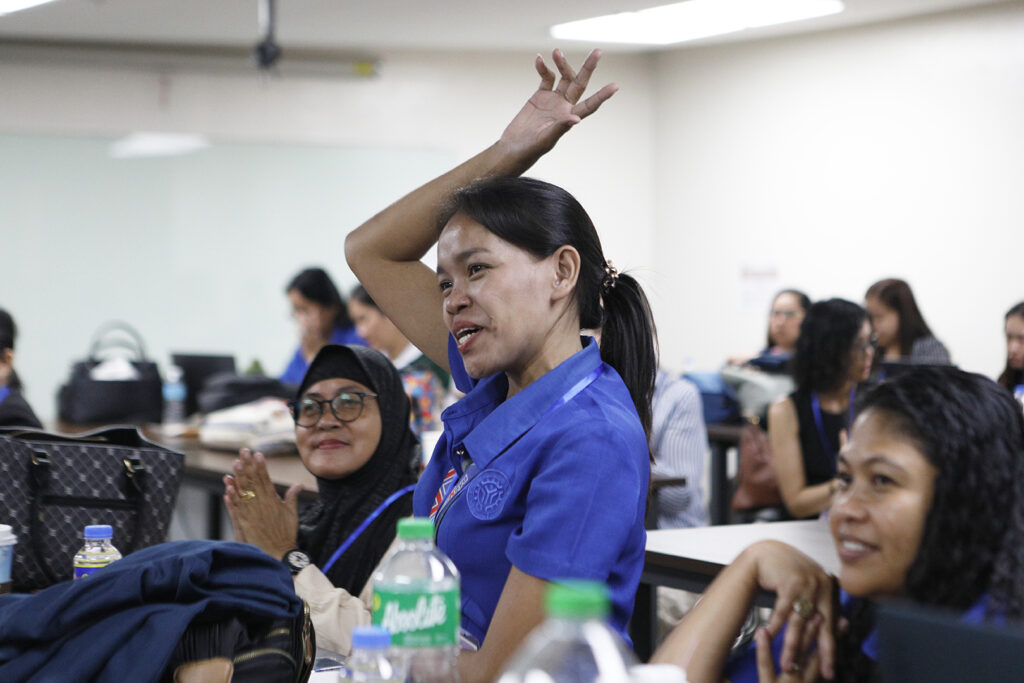
TESDA’s framework for assessor training is designed to build confidence in the certification system. By preparing assessors, TESDA ensures that regional skills are measured by the same criteria. This makes the NC II credential reliable nationwide and gives Filipino craftsmanship a clear place in the country’s workforce development.
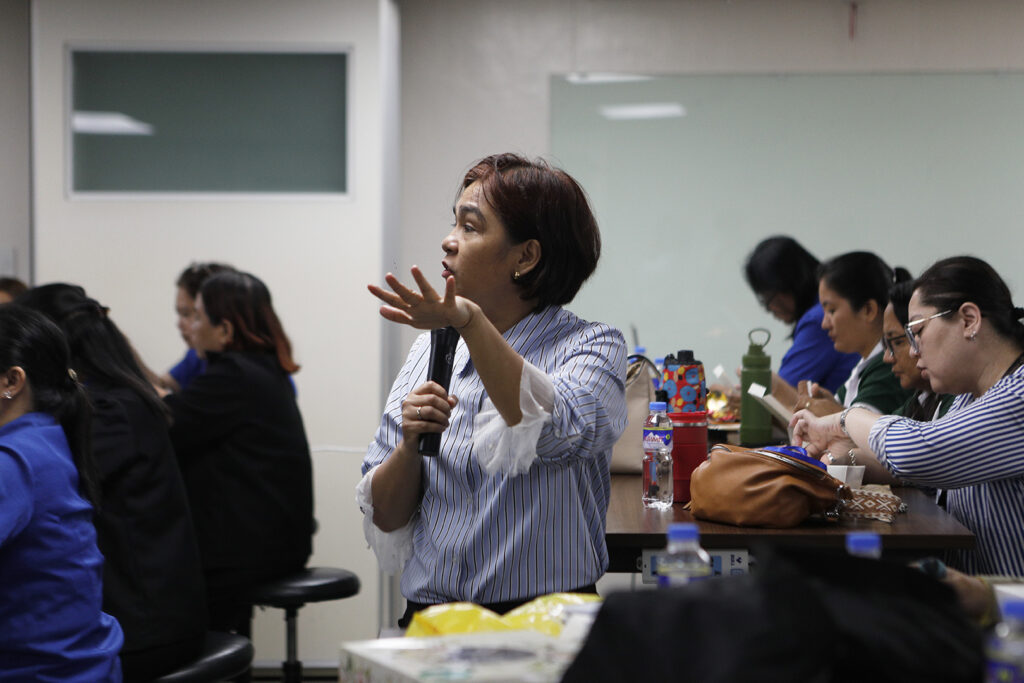
Hosting the program at Benilde showed the College’s growing role as a hub for design and technology. The assessor training fits alongside other initiatives that share the same goal of validating skills and opening opportunities.
The School of Hotel, Restaurant, and Institution Management recently launched microcredentialing programs that give students short, focused certifications to boost employability. This approach is not exclusive to design. It shows how Benilde applies the same skills‑based logic across different fields, giving learners practical credentials that matter in the workplace.
Benilde also partnered with Philippine Normal University to expand Deaf teacher training. This collaboration with another government agency opened pathways for inclusive education, making sure Deaf learners can become licensed teachers and contribute to the profession.
On another side of its work with national agencies, Slim’s collaborates with DOST‑PCIEERD on jewelry preservation and research. This project keeps heritage alive while opening new opportunities for innovation in design.
Benilde’s role in these initiatives shows how the College brings the past and the future together. It carries forward traditions in fashion and craftsmanship while training professionals with practical skills that drive innovation and development. In design, in hospitality, in inclusive education, in technology, and in business, Benilde stands as a hub where heritage and modern training meet to shape the next generation.
For more information on Slim’s Fashion and Arts School, contact us at (63) 2 8230 5100 local 1222 or admissions.slims@benilde.edu.ph. You may also visit Slim’s website at www.slimsfashion.com.